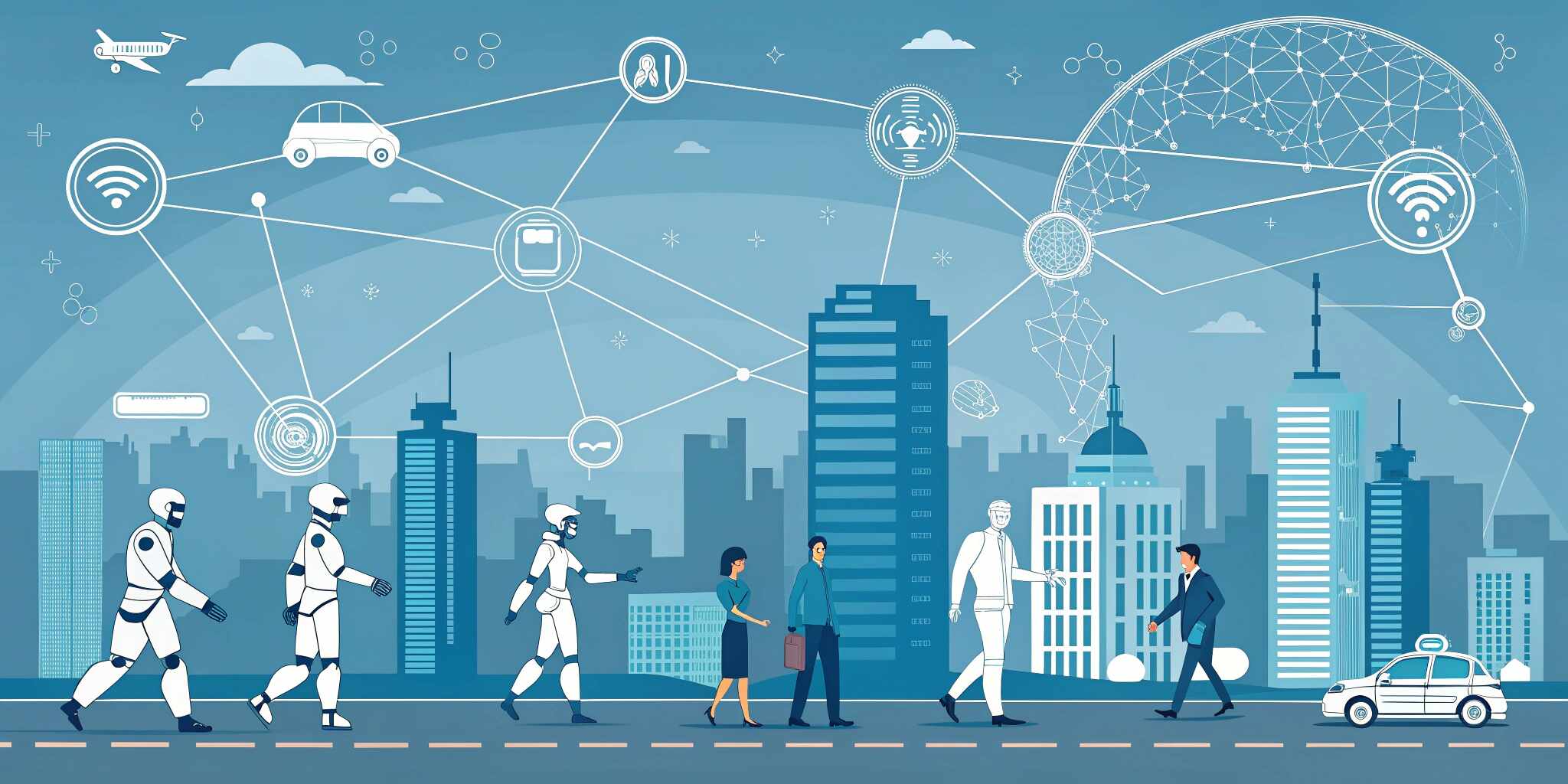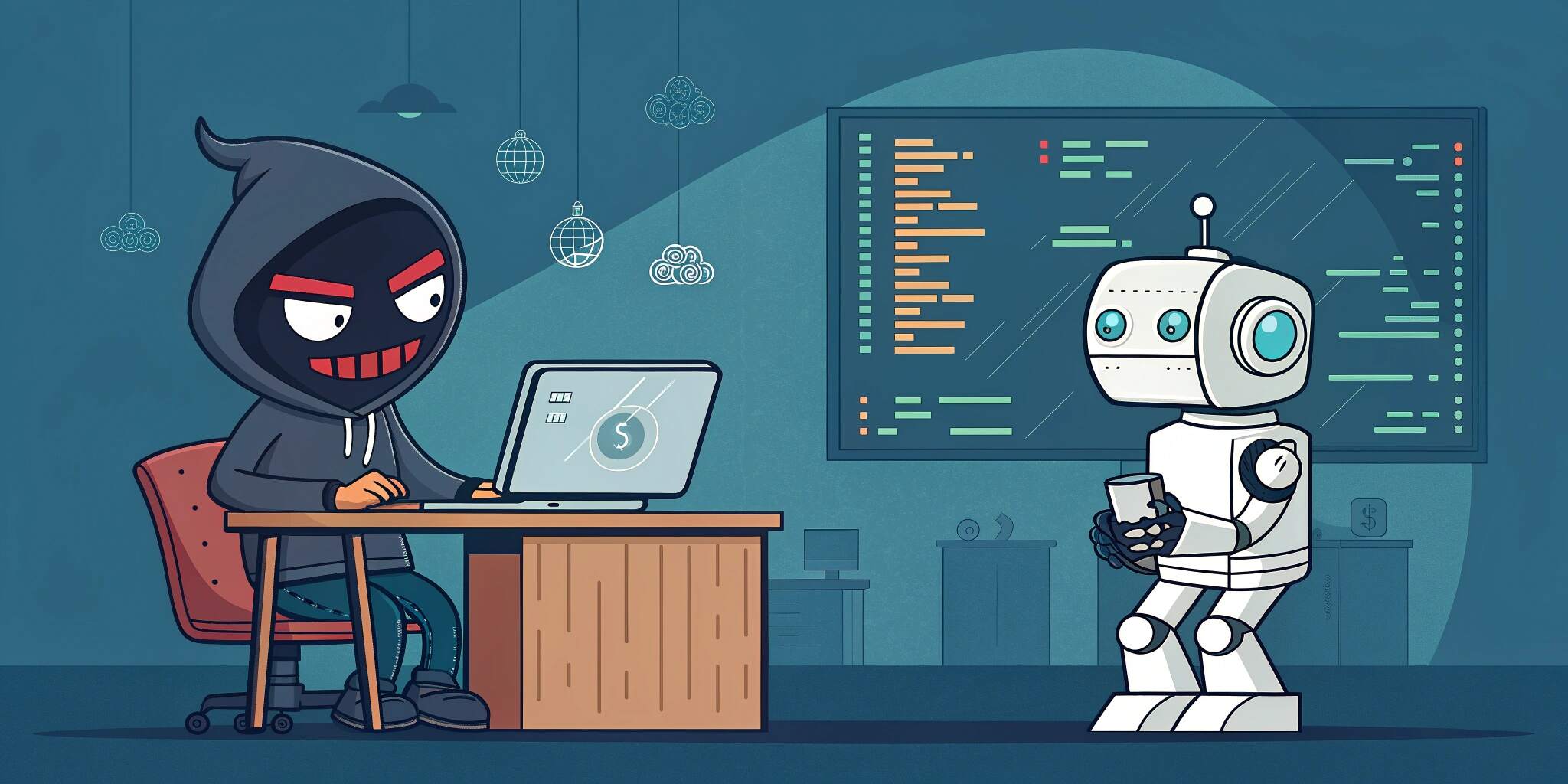
Artificial Intelligence (AI) has made its way into nearly every aspect of technology, and software development is no exception. With tools like GitHub Copilot, ChatGPT, and Tabnine, AI-generated code has become a reality—accelerating development, reducing repetitive tasks, and making programming more accessible.
But this technological leap sparks a critical question: Is AI-generated code truly a boon for developers, or could it become a threat to their roles and the software industry as a whole?
1. The Promise of AI-Generated Code
For developers, AI-assisted coding offers undeniable advantages:
- Increased Productivity
- AI tools can quickly generate boilerplate code, repetitive functions, and even entire modules, freeing developers to focus on more complex, creative tasks.
- Faster Prototyping
- With AI assistance, developers can create prototypes in record time, accelerating innovation and time-to-market.
- Accessibility for Non-Experts
- Low-code/no-code platforms powered by AI allow non-programmers to build functional applications, democratizing software development.
- Learning Aid
- For junior developers, AI can serve as a teaching assistant, suggesting best practices and correcting errors in real time.
2. The Risks and Concerns
Despite its promise, AI-generated code brings significant challenges that cannot be ignored:
- Code Quality and Reliability
- AI models generate code based on patterns in training data. This means the code may work but lack optimization, scalability, or maintainability.
- Security Vulnerabilities
- If unchecked, AI-generated code may include insecure practices, making systems vulnerable to cyberattacks.
- Intellectual Property Issues
- Legal debates continue over whether AI-generated code can infringe on copyrighted works included in training datasets.
- Over-Reliance on AI
- Relying too heavily on AI may hinder developers from sharpening their problem-solving and coding skills.
3. AI as a Tool, Not a Replacement
The biggest misconception is that AI will replace developers entirely. In reality, AI works best as a complementary tool:
- Developers provide critical thinking, architecture design, and domain knowledge.
- AI handles repetitive coding tasks, accelerates debugging, and suggests alternatives.
Instead of replacing jobs, AI may redefine developer roles—emphasizing creativity, collaboration, and problem-solving over rote coding.
4. How Developers Can Adapt
To thrive in this new era, developers should adapt by:
- Learning AI Tools: Master platforms like GitHub Copilot, ChatGPT, or Tabnine to stay competitive.
- Focusing on Higher-Level Skills: Architecture, system design, and problem-solving remain areas where humans outperform AI.
- Prioritizing Security and Ethics: Understanding secure coding practices is critical in an AI-driven landscape.
- Collaborating with AI: Treat AI like a teammate—use it to speed up workflows while applying human judgment.
5. The Future of AI-Generated Code
The future likely lies in a hybrid development model:
- AI will automate repetitive and low-level coding tasks.
- Developers will focus on strategic innovation, design, and ethical oversight.
- Companies will leverage AI to scale faster while maintaining quality through human review.
As AI continues to evolve, the most successful developers will be those who embrace the technology as an ally rather than fear it as a competitor.
Conclusion
AI-generated code is neither purely a boon nor an outright threat—it’s a double-edged sword. While it can boost productivity, lower costs, and democratize software creation, it also introduces risks around quality, security, and developer over-reliance.
For developers, the key is balance: leverage AI to enhance efficiency while strengthening skills that AI cannot replace. In the end, the human touch—creativity, judgment, and innovation—remains irreplaceable.