Main Content
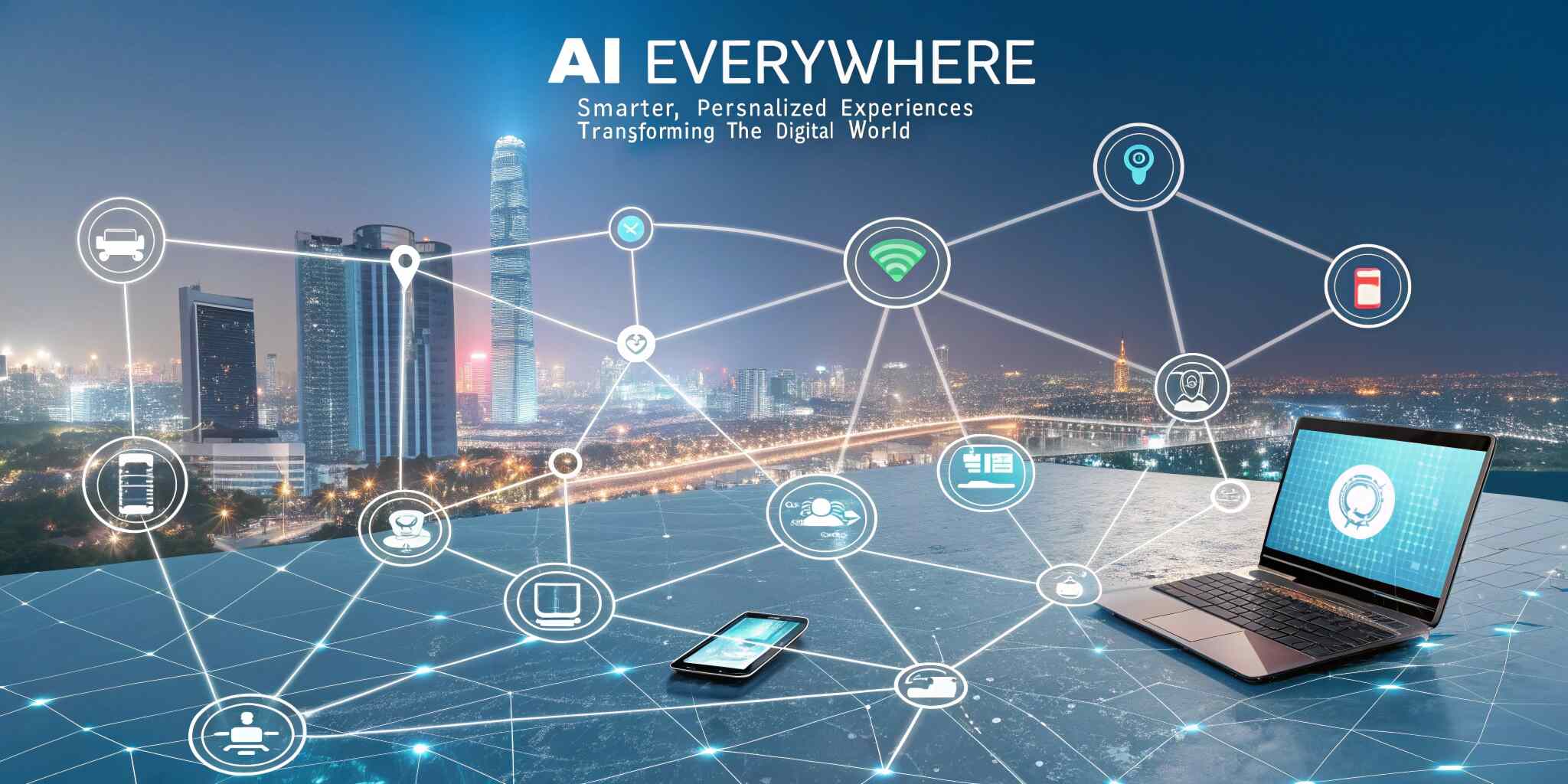
Artificial Intelligence (AI) has evolved from a futuristic concept into an everyday reality. Today, AI is everywhere—quietly working behind the scenes to deliver smarter, faster, and more personalized experiences across digital platforms. From the apps on our phones to enterprise software, marketing campaigns, and customer support systems, AI is redefining how users interact with technology.
The Rise of AI-Driven Personalization
One of the most powerful impacts of AI is personalization. Modern users expect digital experiences tailored to their preferences, behavior, and needs. AI makes this possible by analyzing vast amounts of data in real time. Recommendation engines on e-commerce platforms, personalized content feeds on social media, and customized learning paths in education apps are all powered by AI.
By understanding user behavior, AI enables businesses to offer the right content, product, or service at the right time. This not only improves user satisfaction but also increases engagement, conversions, and loyalty.
AI in Applications and Web Experiences
In mobile and web development, AI is transforming how applications are designed and used. Intelligent chatbots provide instant customer support, reducing response times and operational costs. Voice assistants and natural language processing (NLP) allow users to interact with apps using speech instead of typing.
AI-powered UI/UX enhancements adapt interfaces based on user behavior. For example, an app can rearrange features depending on usage patterns, making navigation more intuitive. Predictive search, auto-complete suggestions, and smart notifications further enhance the user experience.
Smarter Business Decisions with AI
AI is not just improving front-end experiences—it’s also revolutionizing business operations. Machine learning models analyze historical data to predict trends, customer demand, and potential risks. This enables organizations to make informed, data-driven decisions faster than ever before.
In industries such as finance, healthcare, logistics, and retail, AI helps automate repetitive tasks, detect anomalies, and optimize workflows. This leads to higher efficiency, reduced errors, and better resource utilization.
AI in Digital Marketing
Digital marketing has been transformed by AI-driven insights. AI tools analyze customer behavior, demographics, and engagement patterns to create highly targeted campaigns. Personalized emails, dynamic ads, and smart content recommendations ensure that users receive messages relevant to their interests.
AI also helps marketers optimize campaigns in real time by adjusting budgets, targeting strategies, and creative elements based on performance data. This level of automation and precision was impossible just a few years ago.
Ethical and Responsible AI Use
As AI becomes ubiquitous, ethical considerations are increasingly important. Data privacy, transparency, and bias reduction must be prioritized. Responsible AI ensures that personalization does not cross the line into intrusion and that algorithms treat all users fairly.
Businesses adopting AI should focus on explainable models, secure data handling, and compliance with regulations. Trust is a critical factor in the long-term success of AI-driven experiences.
The Future: AI Everywhere
The future points toward AI being seamlessly embedded into every digital interaction. With advancements in generative AI, edge computing, and real-time analytics, systems will become even more adaptive and human-like.
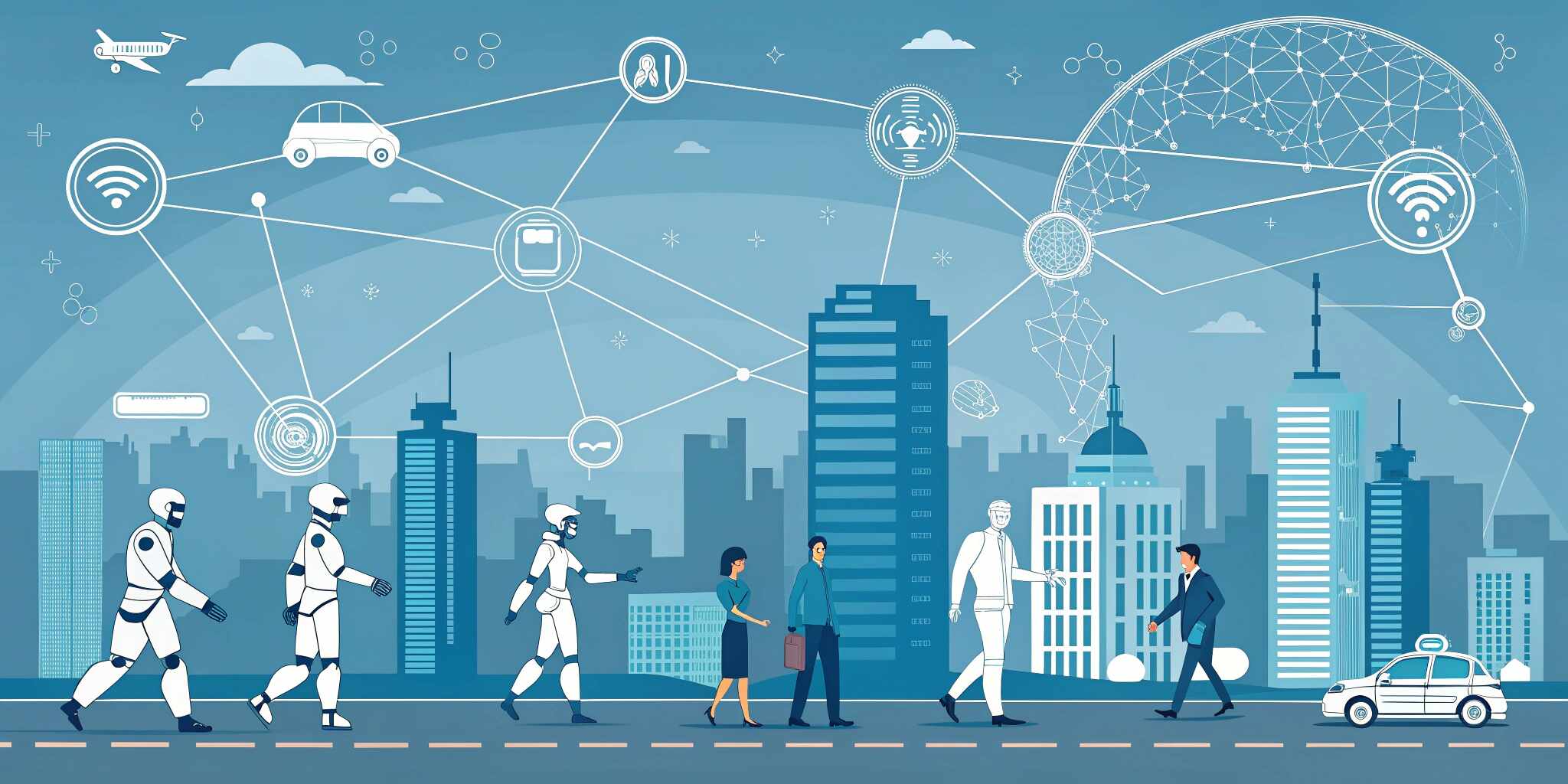
From smart cities and autonomous systems to hyper-personalized digital platforms, AI will continue to shape how we live and work. Organizations that embrace AI today will be better positioned to innovate, scale, and stay competitive in a rapidly evolving digital ecosystem.
Conclusion
AI everywhere is not just a trend—it’s a transformation. By enabling smarter systems and personalized experiences, AI is redefining user expectations and business possibilities. As technology continues to evolve, AI will remain at the core of meaningful, efficient, and user-centric digital experiences.