Introduction
The traditional IT help desk has long been the backbone of organizational support—but it’s evolving fast. With rising user expectations, growing ticket volumes, and pressure to deliver instant results, companies are turning to AI-driven help desks to modernize their IT support operations.
AI is not just a trend—it’s becoming essential for scalable, efficient, and intelligent IT service management (ITSM).
What Is an AI-Driven Help Desk?
An AI-driven help desk leverages artificial intelligence, machine learning, and natural language processing (NLP) to automate and enhance IT support processes. These systems can:
- Automatically resolve common user issues
- Provide instant responses through chatbots
- Predict and prevent outages or service disruptions
- Continuously learn from historical data to improve accuracy
The result? Faster resolutions, happier users, and reduced workload for IT teams.
Key Benefits of AI in IT Support
1. 24/7 Availability
AI support bots can handle tickets and queries round the clock, ensuring help is always available—even outside of business hours.
2. Instant Resolution for Common Issues
Password resets, software installation guidance, and Wi-Fi troubleshooting can be solved instantly without human intervention.
3. Reduced Workload for IT Staff
By handling repetitive tasks, AI allows IT professionals to focus on more strategic and complex problems.
4. Improved Response Times
AI can prioritize urgent requests and route tickets to the right department automatically, minimizing delays.
5. Predictive Issue Prevention
Through pattern recognition, AI systems can detect anomalies and alert teams before issues escalate.
6. Personalized Support
AI can analyze user history to offer more accurate and context-aware solutions.
Real-World Applications
- Chatbots and Virtual Assistants: AI-powered bots integrated into Slack, Teams, or internal portals for real-time support.
- Automated Ticket Classification: AI can analyze the content of incoming tickets and assign them to the correct teams or workflows.
- Knowledge Base Recommendation Engines: AI can suggest relevant articles to users based on their queries, encouraging self-service.
- Sentiment Analysis: AI evaluates user feedback to detect frustration or satisfaction and adjust responses accordingly.
Challenges & Considerations
Despite its advantages, implementing AI in help desks comes with challenges:
- Data Privacy: AI systems must handle sensitive user data responsibly.
- Change Management: Employees may need training to adapt to AI-assisted workflows.
- Accuracy & Limitations: While improving, AI still struggles with complex, unfamiliar problems.
- Integration with Existing Systems: Seamless integration with legacy tools is essential for success.
The Future Outlook
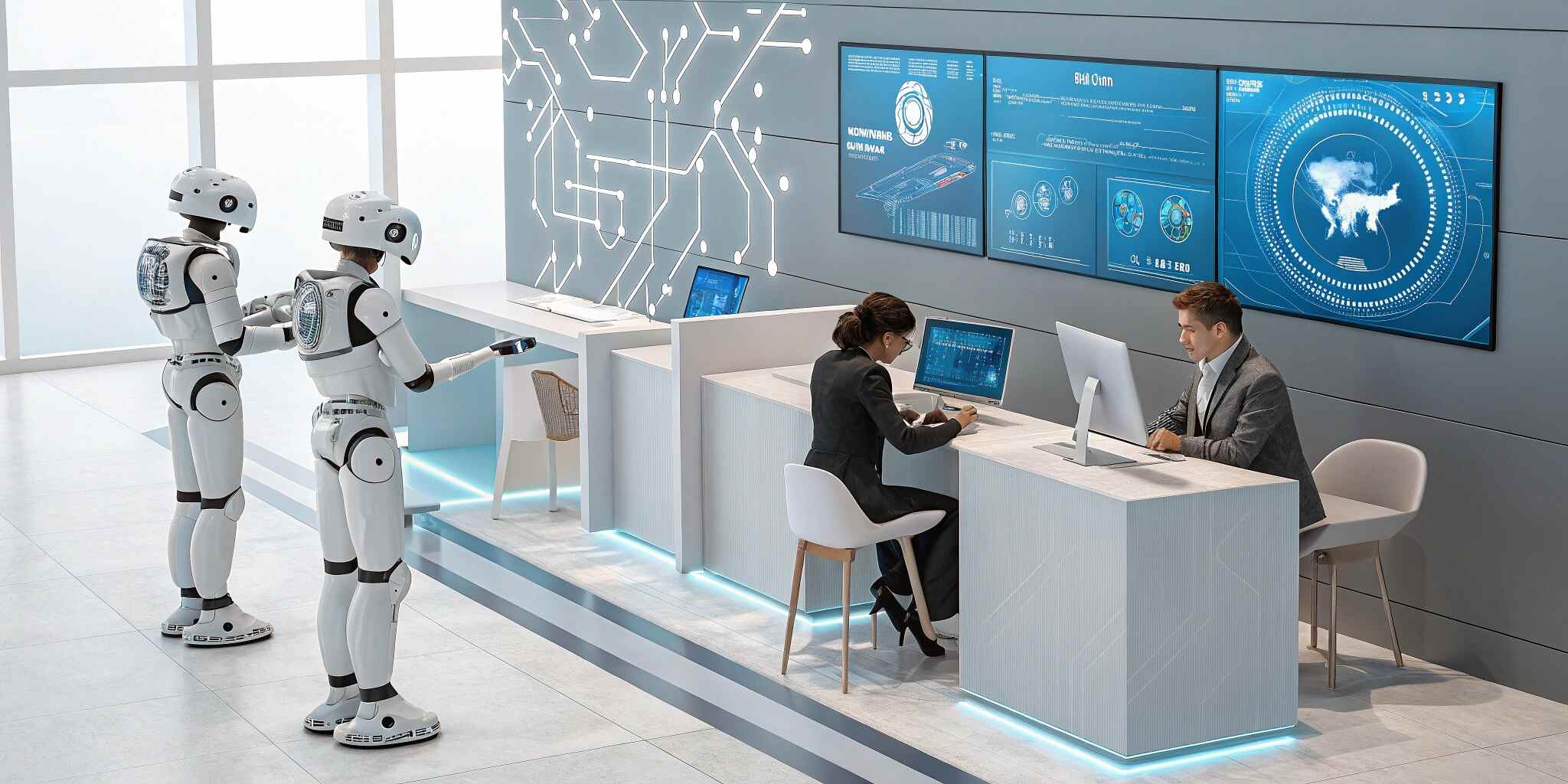
The future of IT support lies in hybrid help desks—where AI handles the routine and humans step in for complex scenarios. As models become more sophisticated, AI will not only react to problems but actively prevent them, moving IT support from reactive to predictive.
Forward-looking organizations are already embedding AI in their ITSM strategies—not to replace humans, but to empower them.
Conclusion
AI-driven help desks represent the next evolution of IT support. With automation, speed, and intelligence at the core, they’re redefining how organizations approach service delivery. By embracing this transformation, IT teams can boost efficiency, enhance user satisfaction, and prepare for a more agile digital future.