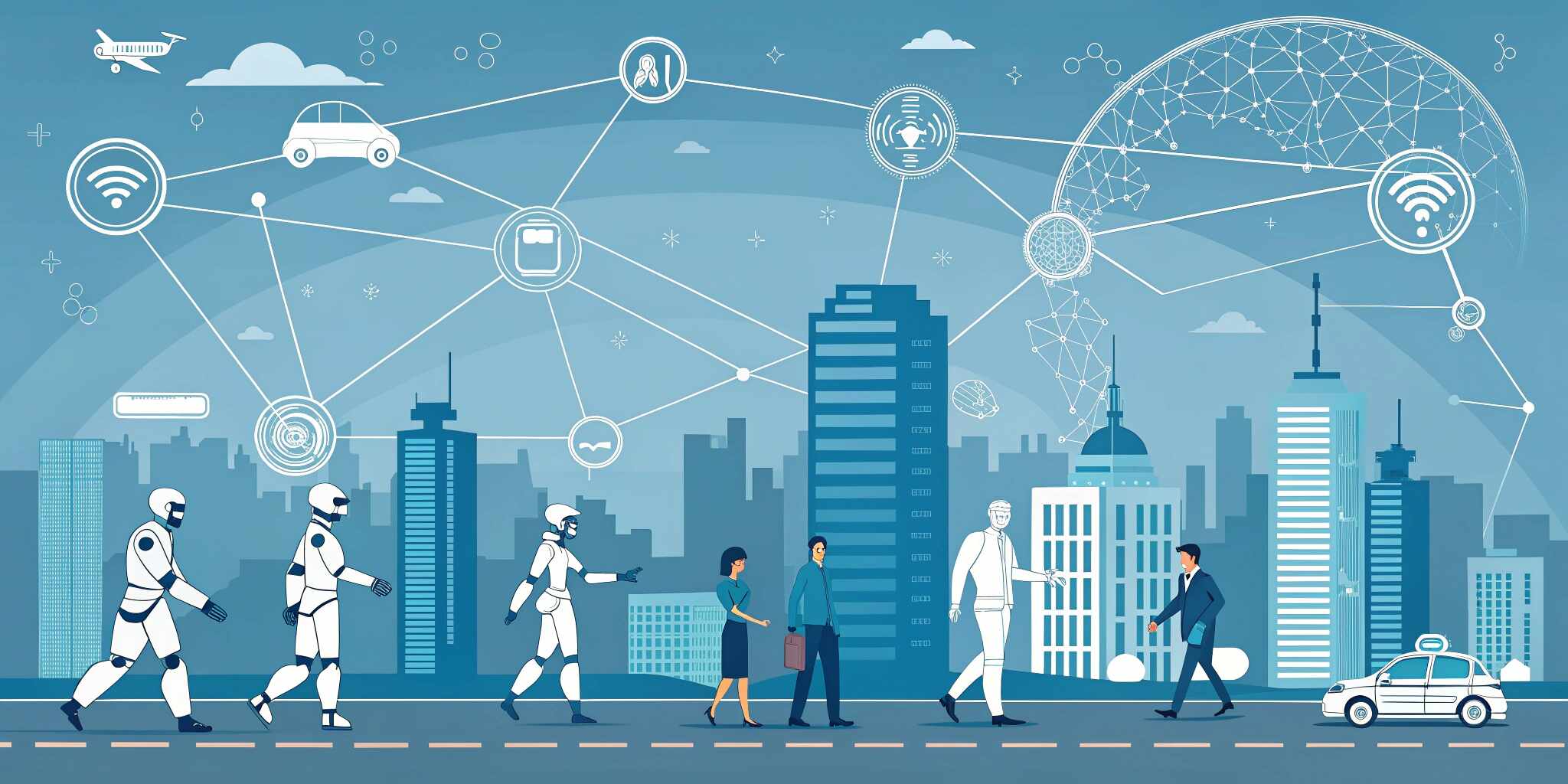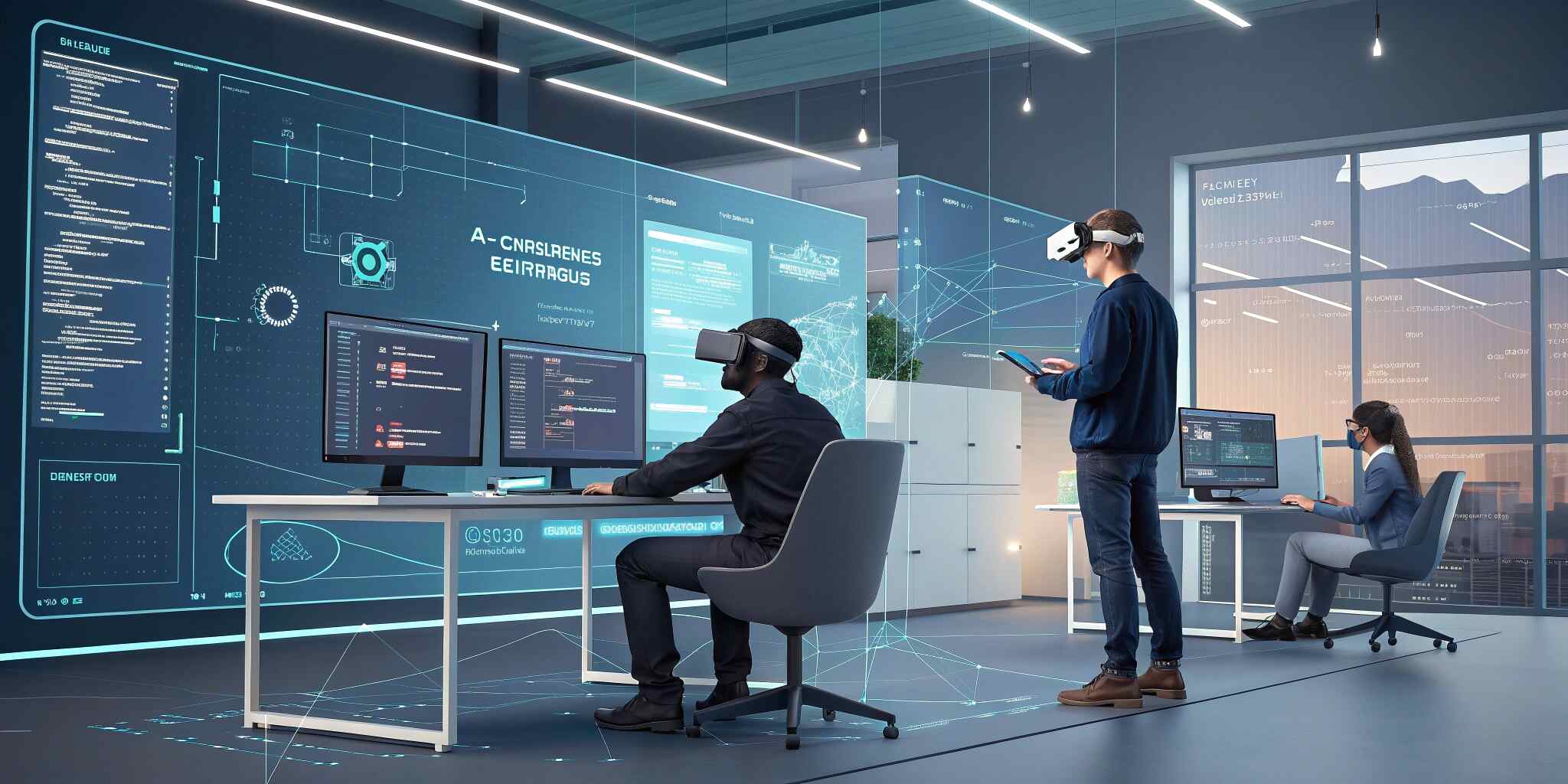
AI-driven frontend development is rapidly becoming one of the most transformative shifts in modern web and mobile engineering. As user expectations continue to rise in terms of personalization, speed, accessibility, and interactivity, machine learning has stepped in as a powerful catalyst for building smarter and more dynamic interfaces. AI is no longer a backend-only technology; it is now deeply integrated into frontend workflows, enabling predictive experiences, automated design assistance, and real-time UI adaptation that enhances both usability and engagement.
One of the most impactful areas of AI in frontend development is UI personalization. Traditional interfaces deliver a static experience to every user, but AI-powered systems analyze browsing behavior, interaction patterns, device types, and contextual signals to serve personalized layouts, content, and recommendations. This level of customization mirrors the experiences offered by large platforms such as Netflix and Amazon, where machine learning predicts what users need before they explicitly request it. For web and mobile apps, this means higher engagement, reduced bounce rates, and more intuitive navigation.
AI also plays a significant role in predictive user behavior modeling, enabling interfaces to anticipate actions and reduce friction. Machine learning models trained on user data can predict the next possible steps in a workflow, adjust navigation, or highlight relevant CTAs at exactly the right time. In ecommerce, this might mean suggesting related products just as a user hovers near checkout; in productivity apps, it can translate into intelligent shortcuts or auto-recommendations that improve efficiency. Predictive design does not replace UX strategy but enhances it by providing real-time behavioral insights.
Another transformative use of AI is in automated UI generation and prototyping. Tools like Figma’s AI, Adobe Firefly, and builder engines powered by machine learning can convert textual prompts into UI components, design layouts, color palettes, and even entire screens. These tools drastically reduce design cycles, allowing developers and designers to iterate more rapidly and explore multiple variations with minimal effort. For companies, this translates into faster time-to-market and more consistent design systems across teams.
AI further enhances frontend development through intelligent code assistance. Models such as OpenAI, Gemini, and Codeium help developers write cleaner code, auto-generate UI logic, detect errors early, enforce accessibility standards, and optimize performance bottlenecks. Instead of manually debugging or scanning for inefficiencies, developers can rely on AI tools to identify DOM issues, slow-rendering components, or suboptimal state management patterns. This leads not only to efficient workflows but also to more resilient and scalable applications.
In terms of UI testing and quality assurance, AI is revolutionizing the way teams maintain product reliability. Automated visual testing tools powered by ML can detect layout shifts, component misalignments, broken interactions, and cross-browser inconsistencies with far greater accuracy than manual testers. AI-based regression testing speeds up QA cycles and reduces the chances of bugs reaching production, especially in complex UI environments where manual verification is tedious.
AI-driven frontend development is also elevating accessibility. Machine learning algorithms can automatically generate alt text for images, detect contrast issues, adjust font sizes based on reading difficulty, and suggest accessible color combinations. These enhancements ensure that applications meet global accessibility standards such as WCAG, making them inclusive to users with visual, cognitive, or motor impairments. The approach shifts accessibility from being an afterthought to a built-in design principle.
Another growing trend is adaptive and dynamic interfaces — UIs that evolve in real-time based on context. Machine learning enables components to resize, reorganize, or transform depending on user preferences, device orientation, location, time of day, or emotional cues. Such adaptive UIs create fluid experiences that adjust to individual needs rather than forcing users into predefined layouts.
Performance optimization is another major frontier. AI tools analyze front-end metrics like render speed, component load time, API bottlenecks, and memory usage to recommend improvements. They can even predict which assets will be needed next and preload them intelligently, significantly improving perceived performance.
Despite its benefits, integrating AI into frontend workflows requires careful ethical considerations. Developers must handle user data responsibly, avoid intrusive personalization, and remain transparent about how AI assists user interactions. Ethical usage ensures that AI enhances experiences rather than manipulating them.
Ultimately, AI-driven frontend development represents the future of digital interfaces, enabling more personalized, predictive, adaptive, and high-performing experiences. As machine learning continues to evolve, the boundaries between design, development, and automation will blur, empowering teams to build smarter products with unprecedented efficiency.