The rapid evolution of artificial intelligence has changed nearly every facet of the IT industry, and software development is no exception. With the advent of AI-assisted coding tools like GitHub Copilot, ChatGPT, and Tabnine, developers can now generate code snippets, debug errors, and optimize programs faster than ever before. These tools leverage massive datasets and machine learning models to predict and write code, revolutionizing the development process. However, as the adoption of AI coding assistants continues to grow, so do concerns surrounding ethics, accountability, and the long-term implications for human creativity.
AI-assisted coding tools work by analyzing vast amounts of open-source and proprietary code to learn programming patterns and structures. When developers write prompts or partial code, these tools use contextual understanding to suggest relevant code completions or even full functions. This automation saves time, reduces repetitive tasks, and allows developers to focus on solving complex problems rather than writing boilerplate code. For organizations, the benefits are clear: faster development cycles, improved accuracy, and reduced operational costs.
One of the most significant benefits of AI-assisted coding lies in its ability to enhance productivity. Developers can complete projects in a fraction of the time it used to take, as AI can automatically generate unit tests, suggest bug fixes, and optimize algorithms. Junior developers benefit from instant feedback, helping them learn best practices while writing code. For experienced programmers, these tools act as intelligent companions that reduce mental fatigue and boost focus on architecture and innovation rather than syntax errors.
Moreover, AI-assisted coding contributes to better software quality. Machine learning models trained on millions of code samples can identify potential vulnerabilities or inefficiencies that human developers might overlook. For instance, AI tools can analyze security flaws and recommend safer alternatives in real time. In large-scale enterprise environments, this capability translates into more reliable software and faster incident resolution.
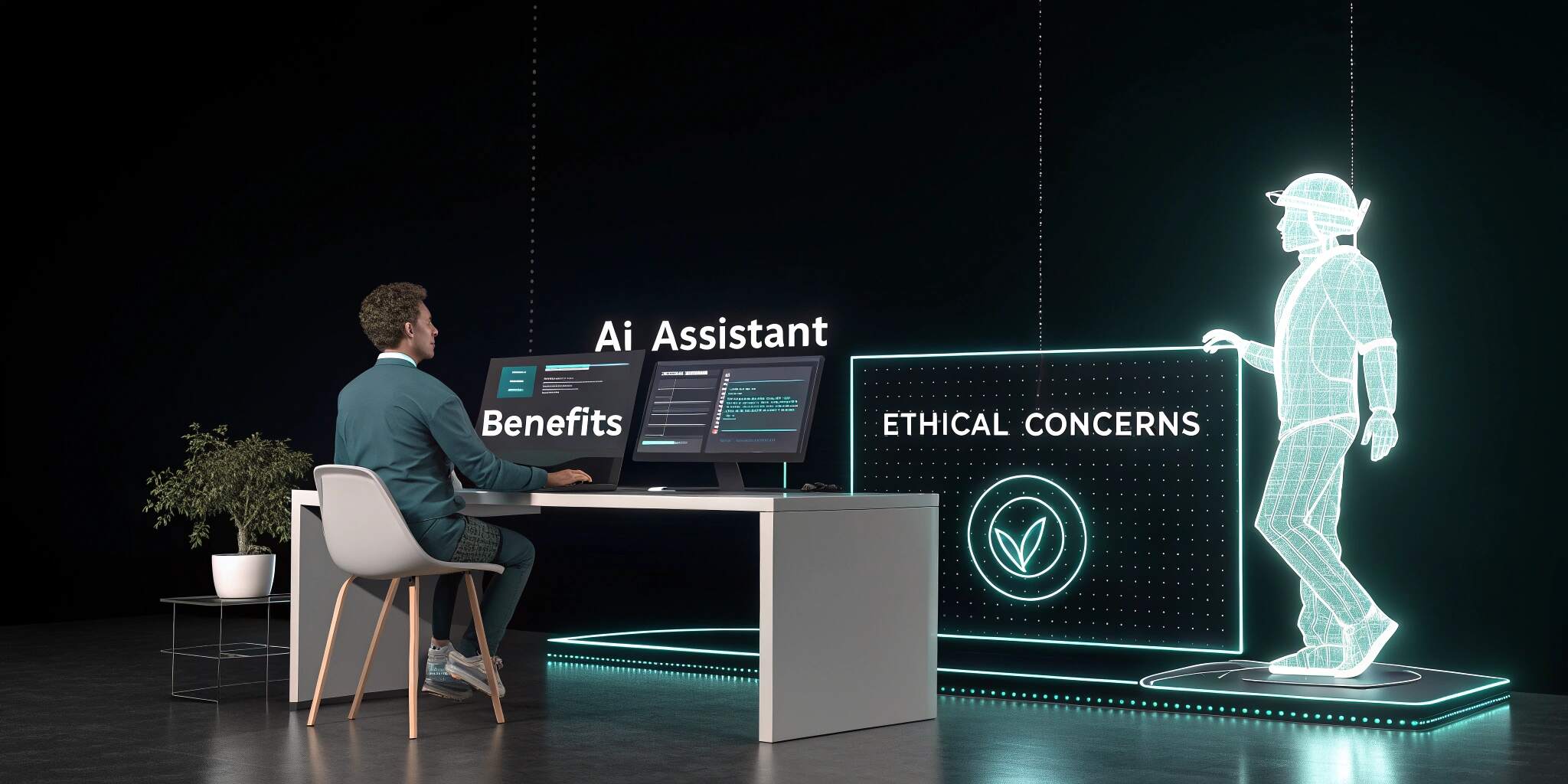
However, the growing reliance on AI-driven tools also brings ethical and technical challenges that cannot be ignored. One major concern is data privacy. Many AI-assisted coding platforms are trained on publicly available code, including repositories that may contain copyrighted or sensitive information. This raises the question of intellectual property rights — if an AI tool generates a piece of code similar to an existing one, who owns the output: the user, the AI provider, or the original author? Such gray areas complicate licensing compliance and pose legal risks for businesses that deploy AI-generated code commercially.
Another ethical concern involves the potential for skill erosion among developers. If coders increasingly depend on AI to generate solutions, their problem-solving and debugging abilities may decline over time. This overreliance could lead to a new generation of developers who understand how to use AI tools but lack deep technical expertise. The challenge lies in striking a balance between leveraging AI for efficiency and preserving the critical thinking skills that define great engineers.
Bias and fairness in AI models are also major topics of discussion. Since these models are trained on existing codebases, they can inherit the biases, errors, or security flaws embedded in those datasets. If AI recommendations perpetuate outdated or insecure coding practices, it could compromise software integrity. Furthermore, when AI models are not transparent about their training sources or decision-making processes, developers face difficulty in trusting or validating the generated code.
The ethical use of AI in programming also extends to accountability. When an AI-generated code snippet causes a failure or security breach, who is responsible — the developer who accepted the suggestion or the company that built the AI model? Establishing clear guidelines and accountability frameworks will be essential to integrating AI safely into the software development lifecycle.
Despite these challenges, AI-assisted coding holds immense potential for positive transformation when used responsibly. Developers and organizations can adopt best practices to mitigate ethical risks, such as reviewing all AI-generated code before implementation, maintaining transparency about data sources, and ensuring compliance with open-source licenses. Additionally, continuous developer education on AI ethics and responsible coding can help maintain a balance between automation and human judgment.
In conclusion, AI-assisted coding represents a groundbreaking leap in software development — blending the speed and precision of machines with human creativity and logic. However, the benefits come with a responsibility to use these tools ethically. As the industry continues to evolve, the focus should remain on building trust, maintaining transparency, and promoting accountability. The future of AI-assisted programming depends not only on technological innovation but also on the commitment of developers and organizations to uphold ethical standards in every line of code.